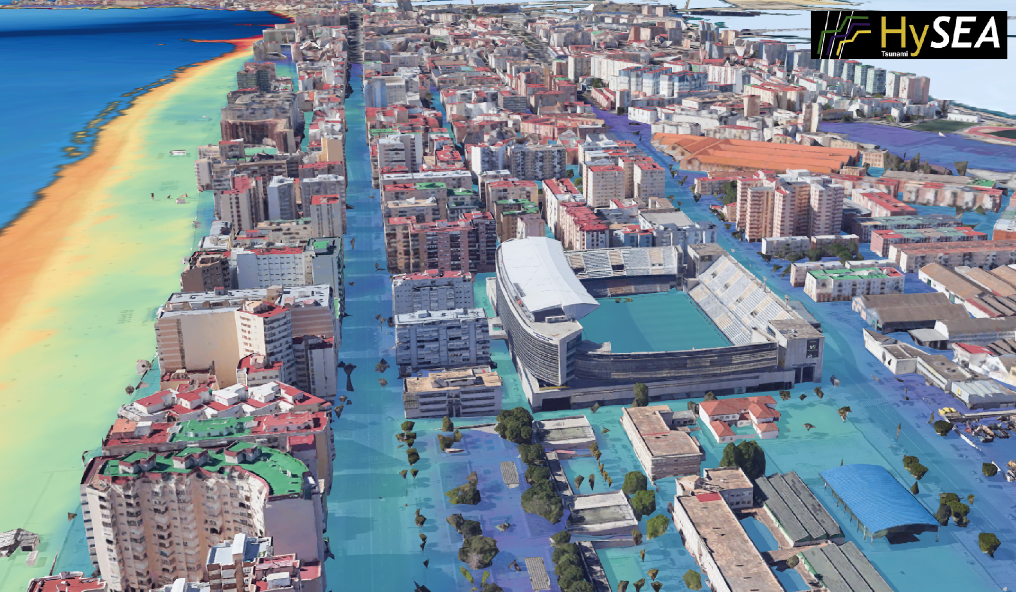
At the heart of the workshop were the communities behind these flagship codes. SeisSol is a cutting-edge computational seismology code that enables highly detailed simulations of earthquake rupture processes, seismic wave propagation, and even earthquake-generated tsunamis. ExaHyPE, meanwhile, is a high-performance simulation engine designed to solve complex systems of equations on next-generation supercomputers. Within ChEESE, it supports seismic applications through ExaSeis, helping researchers model seismic wave propagation and dynamic rupture with exceptional efficiency and accuracy.
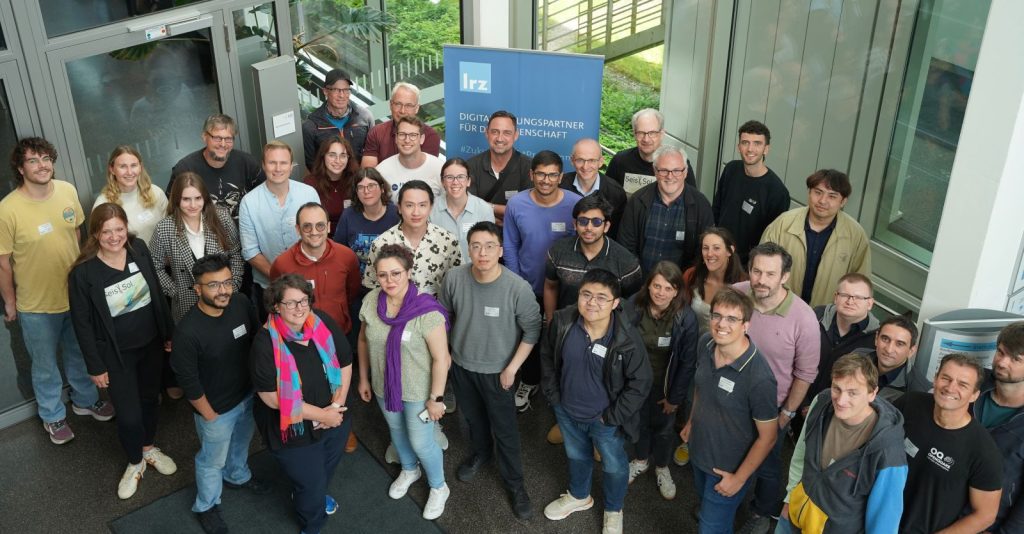
The programme balanced scientific presentations with technical training and a hackathon. Among the highlights were anniversary talks by Alice-Agnes Gabriel (Scripps Institution of Oceanography, UC San Diego) and Michael Dumbser (University of Trento), who reflected on the scientific and technological evolution of both codes. Alice-Agnes Gabriel revisited the development journey of SeisSol and ExaHyPE, even sharing photographs from their early days, while Michael Dumbser showcased ongoing advances in high-order numerical methods that continue to shape the next generation of simulations. The anniversary session was introduced by Heiner Igel (LMU Munich), who reflected on the years leading up to the creation of SeisSol and the motivations behind its development. His participation also connects with ChEESE’s broader training activities, having led the 2025 “Computational Methods in Geophysics” course at the Barcelona Supercomputing Center, where researchers explored the numerical foundations underpinning flagship codes such as SeisSol. The workshop was attended by approximately 50 participants, with more than 40 joining on-site
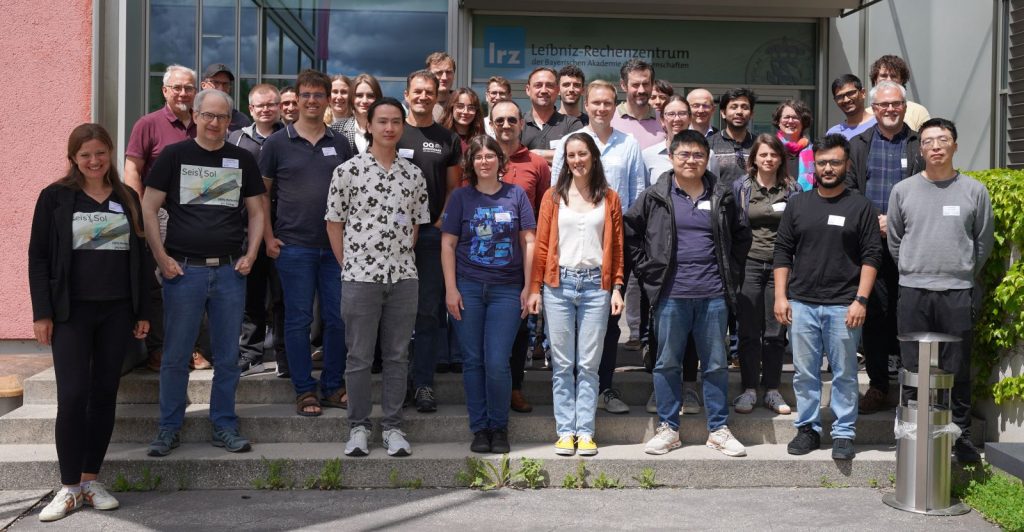
The workshop was jointly organized by Michael Bader (TUM), Alice-Agnes Gabriel (LMU Munich and Scripps Institution of Oceanography), Iris Christadler (LMU) and Tobias Weinzierl (Durham University). The organizers also acknowledged the support of the Leibniz Supercomputing Centre, particularly Ramona Borza, Lucia Winkler, and Susanne Vieser. Financial support for the event was provided by the European projects Geo-INQUIRE and ChEESE, whose continued investment in training and community building helps strengthen Europe’s computational geosciences ecosystem.
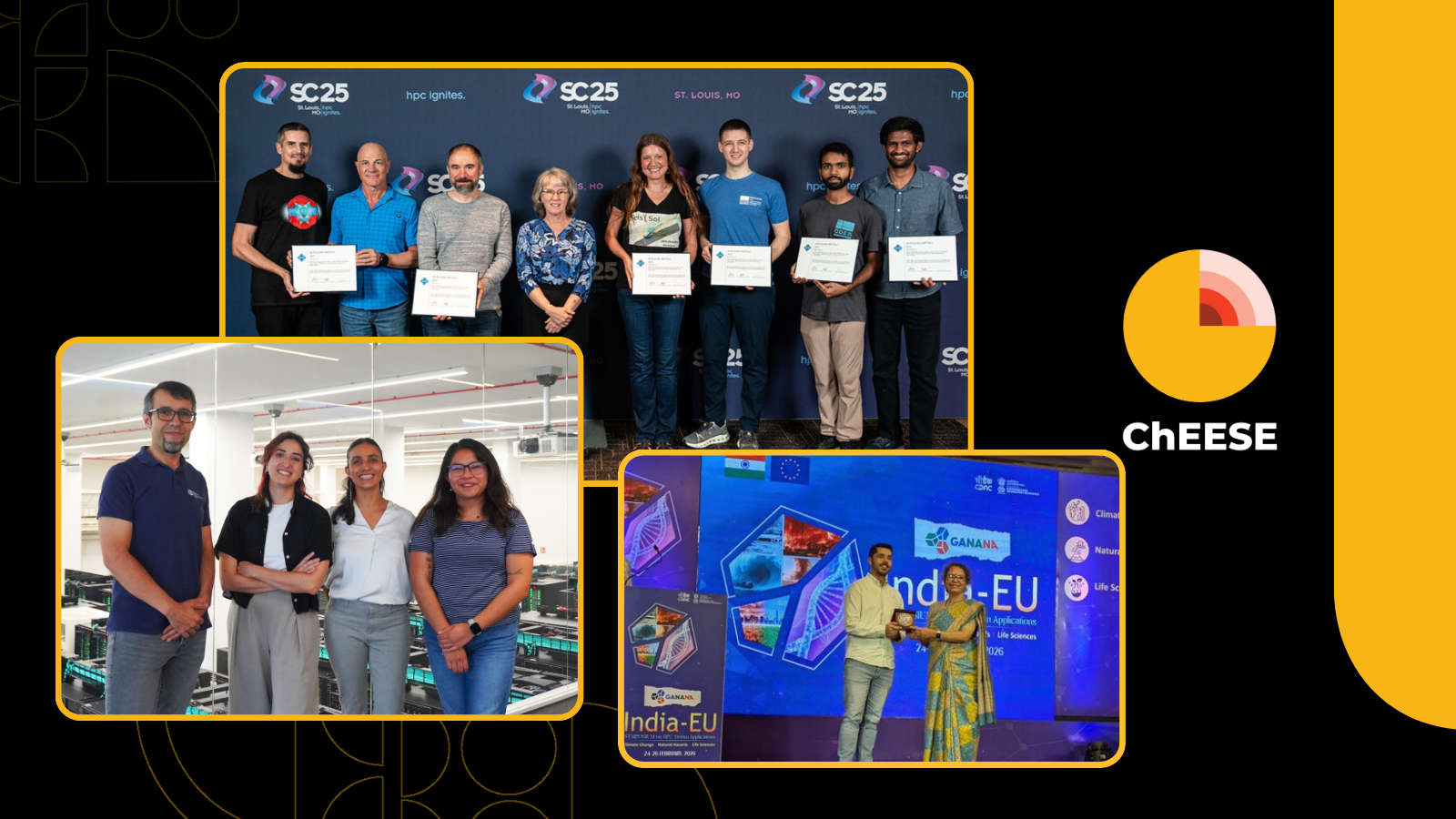
As part of the ChEESE training programme, the workshop contributed to strengthening Europe’s capacity to harness pre-exascale and exascale computing for geohazard research. Since 2023, ChEESE has organised more than 20 events and workshops, well above its original target, helping equip researchers with the skills and tools needed to tackle some of the most pressing challenges in earthquake and natural hazard modelling.
Credits
- Published
- 22 June 2026
- Authors
- Varvara Vedia ChEESE-2P Dissemination Team
- Photos
- Susanne Vieser, Leibniz Supercomputing Centre
- Information
- Michael Bader